How to Build a Performance Marketing Funnel That Converts
Learn how to build a high-converting performance marketing funnel. Practical steps on audience segmentation, creative testing, and ROAS optimisation.
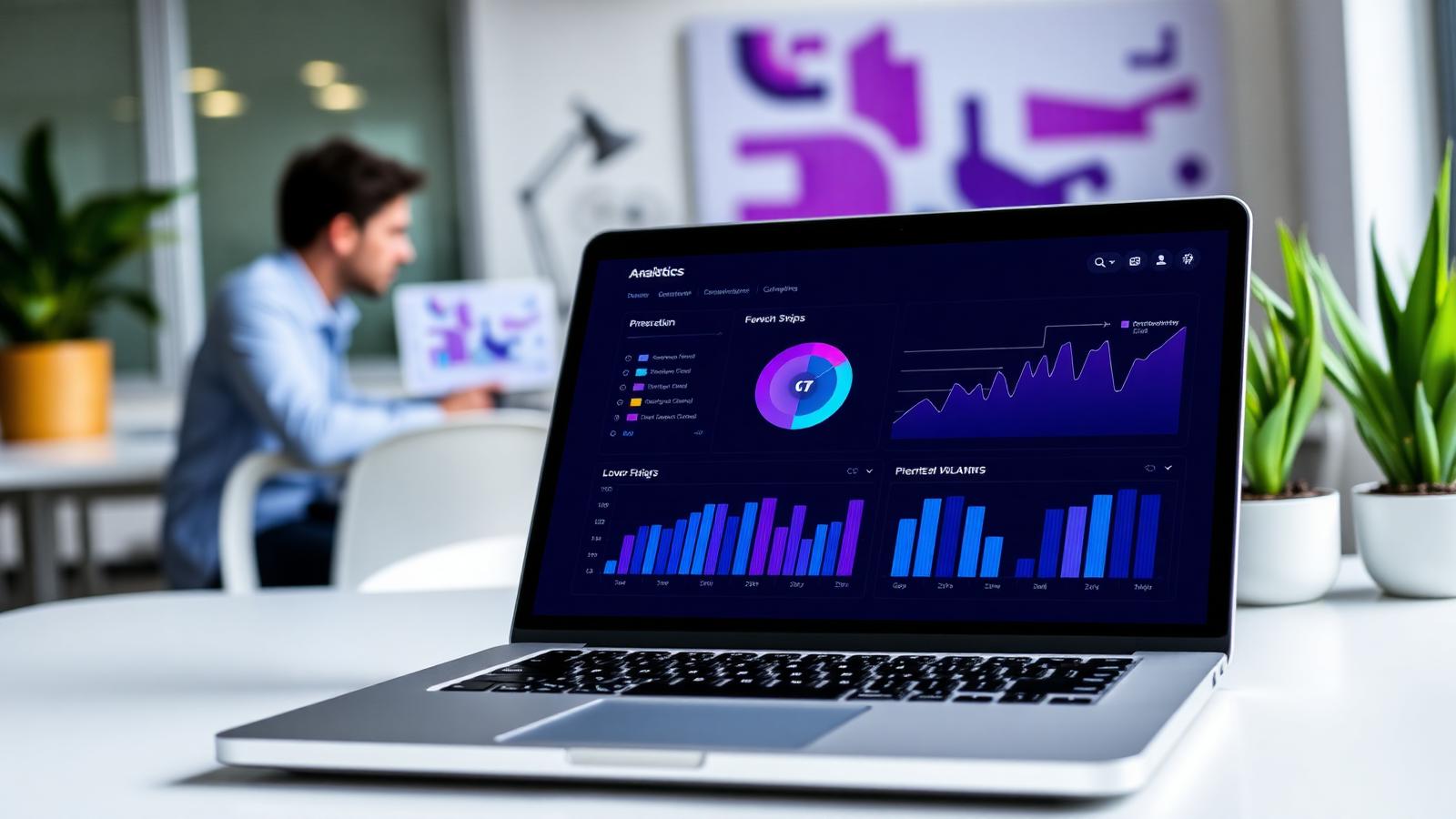
Performance marketing in the current Indian digital landscape has moved beyond simply 'running ads'. With rising Customer Acquisition Costs (CAC) on Meta and Google, businesses can no longer afford to treat their marketing funnel as a linear path. A robust funnel must be a data-driven ecosystem that balances immediate conversions with long-term brand recall. To build a funnel that actually converts, you need to align your technical tracking, creative assets, and landing page experience into a single, cohesive unit.
The Architecture of a High-ROAS Funnel
A performance marketing funnel is generally divided into Top of Funnel (TOFU), Middle of Funnel (MOFU), and Bottom of Funnel (BOFU). However, the mistake many growth marketers make is over-investing in TOFU awareness without a clear bridge to conversion.
At the TOFU stage, your goal is broad reach among high-intent audiences. In India, where mobile-first consumption dominates, this means vertical video content and interactive ad formats. MOFU is where you nurture those who engaged but didn't buy, using social proof and educational content. BOFU is the final nudge—using high-intent keywords or remarketing lists to close the sale. The key to success is ensuring that the data flows seamlessly between these stages so your pixel knows exactly who is moving down the pipe.
Step-by-Step: Setting Up Your Funnel This Week
If you want to see a measurable shift in your marketing efficiency, follow these five concrete steps to audit and realign your current funnel:
- Audit Your Tracking Infrastructure: Before spending another Rupee, ensure your Meta Pixel, Google Tag Manager, and Conversion API (CAPI) are firing correctly. Without server-side tracking, you are likely losing 20-30% of your attribution data due to browser privacy updates.
- Segment Your Audiences by Intent: Don't treat a 'Site Visitor' the same as a 'Cart Abandoner'. Create custom audiences based on time spent on site or specific page views. For example, someone who viewed your 'Pricing' page is a higher priority for a BOFU ad than someone who just read a blog post.
- Develop Creative Hooks: Create at least three variations of your primary ad: one focusing on the problem, one on the solution, and one on a testimonial. Test these against a broad audience to see which 'hook' resonates most before scaling the budget.
- Optimise the Landing Page for Speed: In India, many users access ads on variable 4G/5G networks. If your landing page takes more than 3 seconds to load, your bounce rate will kill your ROAS. Use compressed images and eliminate heavy scripts.
- Set Up Automated Retargeting: Configure dynamic ads that show users the exact products they viewed. Ensure your retargeting window is tight (3–7 days) to maintain relevance without causing ad fatigue.
Creative Strategy: Moving Beyond Static Images
Performance marketing is increasingly becoming 'creative-led'. Algorithms on platforms like Instagram and YouTube have become so efficient at finding audiences that the creative asset itself does the heavy lifting of targeting.
- UGC (User Generated Content): Authentic-looking videos of customers using your product often outperform high-production studio shoots.
- Problem-Agitation-Solution (PAS): Structure your ad copy to identify a pain point, highlight the frustration it causes, and present your service as the definitive fix.
- Localisation: For the Indian market, consider using regional languages or Hinglish in your ad copy. Localised nuances in creative often lead to higher click-through rates (CTR) in Tier 2 and Tier 3 cities.
- Direct Response Headlines: Stop using vague brand statements. Use headlines that promise a specific benefit or offer, such as "Get 20% Off Your First Order" or "Solve Your Recruitment Gaps in 48 Hours."
Measuring Success Beyond the Vanity Metrics
It is easy to get distracted by high 'Likes' or 'Impressions', but these do not pay the bills. When evaluating your performance marketing funnel, focus on these three core metrics:
- CAC (Customer Acquisition Cost): The total spend divided by the number of new customers. Compare this against your LTV (Lifetime Value) to ensure long-term profitability.
- MER (Marketing Efficiency Ratio): Total Revenue divided by Total Ad Spend. This gives you a holistic view of how your marketing is impacting the business, accounting for the 'halo effect' where ads drive organic searches.
- Conversion Rate by Source: Identify which platforms are driving high-quality leads versus those just driving cheap traffic. Often, a platform with a higher Cost Per Click (CPC) may yield a better ROI due to higher lead quality.
Overcoming Common Bottlenecks
One of the most frequent points of failure in an Indian performance funnel is the 'Last Mile' of the digital experience. This includes complex checkout forms or a lack of trusted payment options. Ensure your checkout process supports UPI, as it has become the preferred payment method for the majority of Indian consumers. Furthermore, if you are in the B2B or services space, ensure your lead forms are short. Every additional field you add can drop your conversion rate by 5-10%.
Another bottleneck is the lack of a 'Feedback Loop' between the marketing team and the sales/operations team. If marketing is generating hundreds of leads but the sales team finds them irrelevant, the funnel is broken at the qualification stage. Use Lead Scoring to prioritise prospects who have engaged with multiple touchpoints in your funnel.
Working with DPJ Hub
At DPJ Hub, we integrate growth marketing with deep technical expertise to build performance funnels that scale. Our teams work across product design, software engineering, and data analytics to ensure your marketing spend translates into measurable business growth. From setting up complex tracking architectures to crafting high-converting creative strategies, we provide the end-to-end support needed to dominate your category.
Contact our growth team today to audit your current marketing funnel and identify hidden opportunities for scale.
Related reading
SEO Fundamentals for Service Businesses in 2026
Master SEO for service businesses in 2026. Learn how to optimise for AI search, zero-click queries, and hyper-local Hyderabad market visibility.
Content Marketing That Generates Qualified Leads
Learn how to transform your content strategy into a lead generation engine using high-intent assets, localized SEO, and data-driven distribution tactics.
Local SEO: Getting Found by Customers Near You
Master Local SEO in India with our practical guide on Google Business Profile, local citations, and regional keywords to drive footfall and online leads.