Prototyping Fast: From Idea to Clickable in a Week
Learn how to bridge the gap between product ideation and a functional clickable prototype in five days using rapid design sprints and high-fidelity tools.
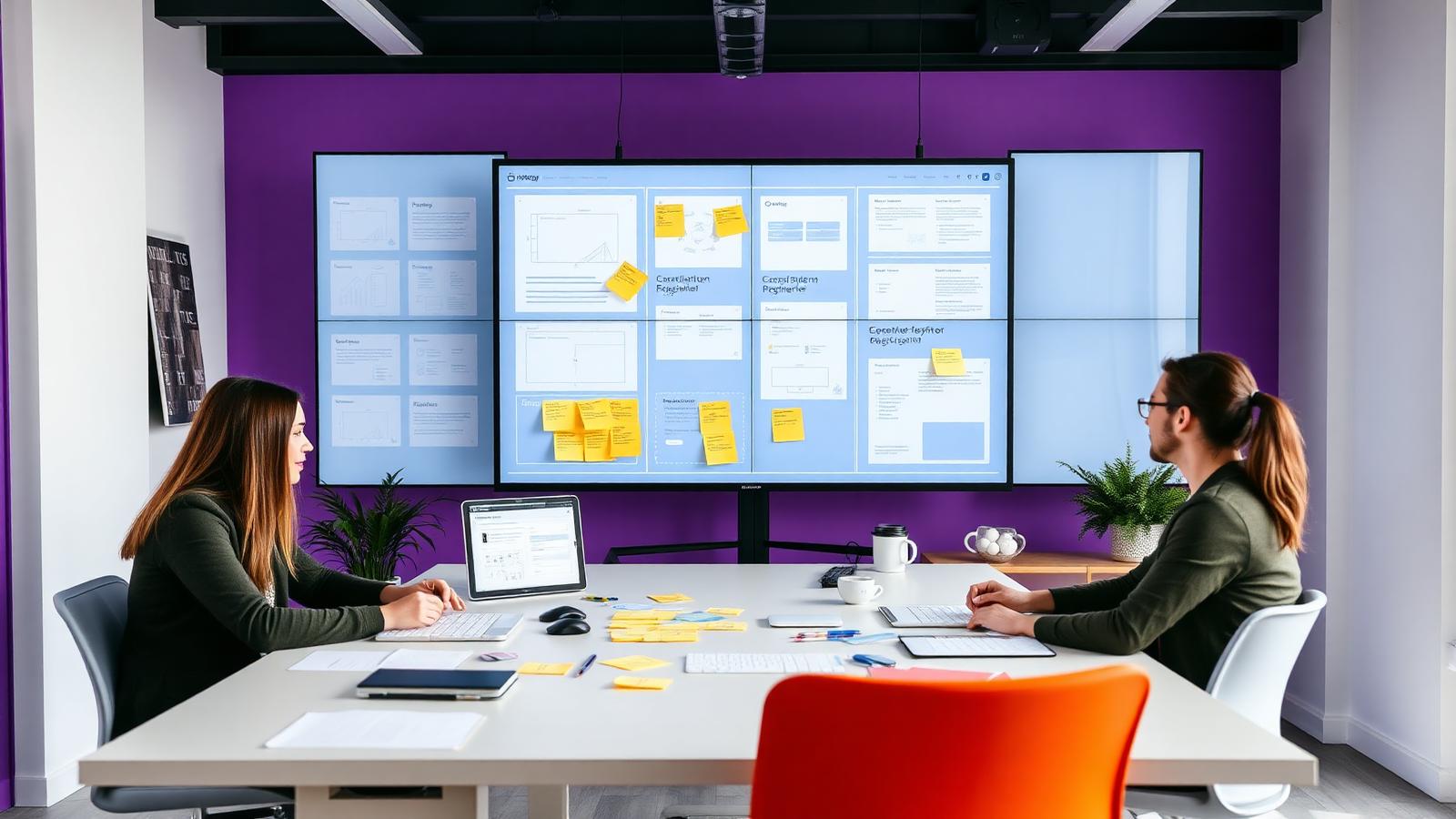
For many Indian startups and internal product teams, the bridge between a whiteboard session and a functional product often feels like a multi-month marathon. The cost of delay in the Hyderabad or Bengaluru tech ecosystems is not just financial; it is the risk of a competitor shipping a similar feature while you are still debating button placements. Rapid prototyping is the antidote to this inertia. It is the practice of building just enough to validate a hypothesis, ensuring that by the time you commit to a full engineering sprint, you are building something users actually need.
Moving from a raw idea to a clickable, high-fidelity prototype in seven days is not about cutting corners. It is about focused execution. This approach requires a shift in mindset: we are not building the final product; we are building the fastest possible feedback loop. By following a structured design sprint methodology, teams can bypass the 'analysis paralysis' that typically plagues early-stage product development.
The Three Pillars of a Rapid Prototype
Before opening Figma or Sketch, the team must agree on what the prototype is intended to prove. A prototype that tries to solve every user problem will inevitably fail to be ready in a week. Success relies on three specific constraints:
- Singular Flow Focus: Instead of prototyping the entire app, focus on the 'Happy Path'—the primary sequence of actions a user takes to achieve the core value proposition.
- Fidelity Balance: The prototype must look and feel real enough for a user to suspend their disbelief, but it shouldn't have a backend. We use static data and pre-defined logical paths.
- Defined Success Metrics: Decide upfront what a 'pass' looks like during user testing. Is it the time taken to complete a task, or the user's verbalised understanding of a specific feature?
The Five-Day Execution Roadmap
To hit a one-week deadline, the workflow must be rigid. This schedule assumes a cross-functional team consisting of a product manager, a designer, and at least one stakeholder who can make final decisions on the spot.
- Monday: Mapping and Definition. Identify the core problem. Speak to your customer success or sales teams to understand current pain points. By the end of the day, you should have a single user journey map that starts with the user's trigger and ends with their success state.
- Tuesday: Sketching Solutions. Move away from screens. Every team member sketches four to five ways to solve the journey identified on Monday. Use 'Crazy 8s'—a technique where you sketch eight distinct ideas in eight minutes—to push past the obvious first choices.
- Wednesday: Deciding and Storyboarding. Review the sketches. Select the strongest components and stitch them into a cohesive storyboard. This storyboard acts as the blueprint for the designer. Every screen and every click must be accounted for here to prevent mid-design pivots.
- Thursday: High-Fidelity Prototyping. This is a heads-down day for design. Using a robust design system or UI kit (like Tailwind UI or Material Design) is essential to move fast. The goal is a clickable flow in Figma that transitions smoothly between screens.
- Friday: User Testing and Synthesis. Test the prototype with five real or proxy users. In the Indian context, this might involve visiting a local business or conducting remote sessions via Zoom. Record the sessions, note where users stumble, and compile a 'Go/No-Go' report for the engineering team.
Technical Shortcuts for Speed
Speed is often a byproduct of the tools you choose. For a one-week turnaround, avoid building custom components from scratch. Leverage existing libraries to maintain professional aesthetics without the time sink.
In our experience at DPJ Hub, using auto-layout features and components in Figma allows for rapid adjustments when a stakeholder requests a change mid-week. Additionally, using plugins like 'Content Reel' to pull in realistic Indian names, addresses, and phone numbers makes the prototype feel significantly more authentic to local testers than using 'Lorem Ipsum'.
Another critical shortcut is 'Wizard of Oz' prototyping. If a feature requires complex AI processing, don't wait for the AI model to be trained. Have a human manually trigger the response behind the scenes or hard-code the most likely outputs. The user's reaction to the result is what matters at this stage, not the underlying architecture.
Overcoming Local Challenges
Prototyping in India presents unique opportunities and hurdles. Internet connectivity can be intermittent for users in Tier-2 cities, and linguistic diversity means a single English interface might not be sufficient for all target demographics.
When testing your prototype, consider 'corridor testing'—grabbing someone in the office who isn't on the project—but also ensure you reach out to a segment of your actual target audience. For instance, if you are building a fintech app for small shop owners (Kirana stores), a clickable prototype on a mobile device taken directly to a shop floor will yield insights that no boardroom discussion ever could.
Avoiding the 'Perfect' Trap
The biggest threat to a one-week prototype is the desire for perfection. It is tempting to spend hours perfecting a shadow or an animation. However, if that animation doesn't help the user understand how to navigate the app, it is wasted effort.
Remember the 80/20 rule: 80% of the user's experience comes from 20% of the UI. Focus on the navigation, the primary call-to-action buttons, and the clarity of the text. If the user can complete the task without asking for help, the prototype is a success. You can polish the aesthetics once the logic is validated.
Working with DPJ Hub
DPJ Hub’s Product & Design team specialises in accelerating development cycles through expert rapid prototyping and user-centric design sprints. Our integrated approach ensures that the prototypes we build are not just visually stunning but are grounded in technical feasibility and business growth strategy. Whether you are a startup looking to validate a new concept or an enterprise modernising a legacy system, we provide the design engineering expertise to bring your vision to life.
Reach out to our design team today to transform your product ideas into validated, clickable realities.
Related reading
UX Research on a Startup Budget
Learn how to conduct high-impact UX research on a startup budget. Practical, low-cost strategies for Indian startups to validate products without a lab.
Design Systems: When You Need One and How to Start
Learn when to transition from a UI kit to a full Design System. A practical guide for Indian startups and enterprises to scale product design efficiently.
Turning User Feedback into a Credible Product Roadmap
Learn how to transform raw user feedback into a high-impact product roadmap using practical prioritization frameworks and data-driven design strategies.