Corporate Video Production: What Actually Drives Engagement
Ditch the corporate clichés. Learn the technical and narrative strategies that actually hold attention in India's competitive B2B and B2C video markets.
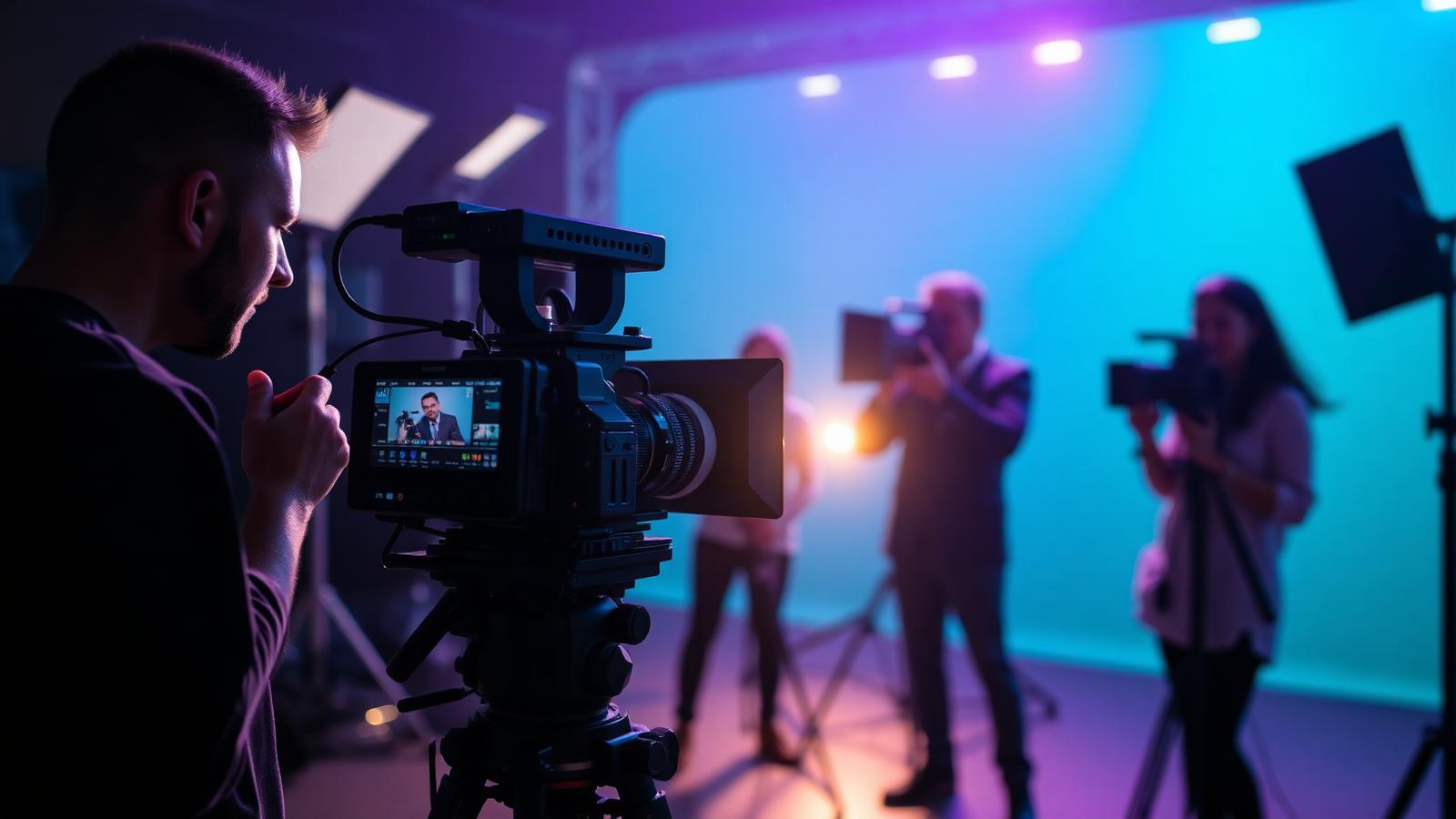
Most corporate videos fail not because of a lack of budget, but because of a lack of specific intent. In the Indian market, where mobile-first consumption dominates, the traditional 'talking head' CEO video or the generic drone shot of an office building no longer secures the engagement metrics required for a positive ROI. To cut through the noise, businesses must pivot from broad broadcasting to high-intent storytelling that respects the viewer’s time.
Driving engagement in 2024 requires a technical understanding of platform algorithms combined with a psychological understanding of the modern professional’s attention span. Whether you are producing a product demo for a SaaS platform in Hitech City or a brand heritage film for a manufacturing unit, the principles of engagement remain remarkably consistent. It is about removing the friction between the message and the audience.
The Fallacy of High Production Value
There is a common misconception that 8K resolution and expensive colour grading equate to engagement. While quality is a baseline requirement, 'over-production' can often lead to a clinical, distant feel that alienates viewers. In our experience across the DPJ Hub media wing, we have found that authenticity consistently outperforms aesthetic perfection.
In the context of LinkedIn or Instagram—where most corporate video is consumed—a video that looks too much like a TV commercial is often scrolled past. Users are looking for peer-to-peer connection. This means that lighting and sound must be professional, but the delivery should feel conversational. If your script sounds like a legal disclaimer or a marketing brochure, the viewer will drop off within the first five seconds.
The Hook-Value-Ask Framework
To keep a viewer from swiping away, every video must follow a strict structural framework. In the Indian digital ecosystem, you have approximately three seconds to signal relevance.
- The Hook (0-3 seconds): Visual or verbal. Start with a problem statement or a counter-intuitive fact. Avoid starting with your company logo and an animated intro; that is prime real estate being wasted on vanity.
- The Value (The Meat): This is where you deliver on the promise of the hook. If the video is about a new software feature, show the interface immediately. If it’s a recruitment video, show the actual culture of the office, not a staged boardroom meeting.
- The Ask (The CTA): A single, clear instruction. Do not ask them to 'Like, Share, Subscribe, and visit our website'. Pick one action that aligns with your business goal.
Technical Specifics for the Indian Market
Data costs may be low in India, but network speeds vary. Optimising your video for different bandwidths and viewing environments is a practical necessity that many overlook.
- Silent Viewing: Up to 80% of LinkedIn videos are watched without sound. If your video relies on a voiceover without burned-in captions (Open Captions), you are losing the majority of your potential audience.
- Mobile-First Aspect Ratios: While 16:9 is the standard for YouTube and desktop, 9:16 (Vertical) or 4:5 (Square) captures significantly more screen real estate on mobile devices.
- The 'Thumb-Stopper' Thumbnail: Even with auto-play, the thumbnail is what appears in search results and embeds. It should have high contrast and no more than three or four words of text.
Practical Steps to Implement This Week
If you have a video project on the horizon, or an existing library of content that isn't performing, you can take these concrete steps immediately to improve your output:
- Audit Your First Five Seconds: Review your last three videos. If they start with a logo animation or a generic 'Hello', edit those first five seconds out for your next social media post. Start directly with the most interesting sentence of the script.
- Transcribe and Caption: Use a tool to generate SRT files or hard-code captions into your existing videos. Ensure the font is large enough to be read on a budget smartphone screen.
- Identify Your 'Hero' Moments: Not every second of a 2-minute video is equally valuable. Identify the 15-second 'nuggets' of wisdom or visual impact and export them as standalone 'Shorts' or 'Reels'. This multiplies your content volume without increasing your shooting budget.
- Simplify the Script: Read your script out loud. If you find yourself losing breath or using words you wouldn't use in a coffee shop conversation, simplify it. Replace jargon like 'synergistic solutions' with 'working together'.
Why Narrative Beats Technical Gimmicks
Engagement is driven by relatability. In a B2B context, you are still selling to humans. Instead of listing features, tell the story of the 'Before' and 'After'. Show the frustration of the manual process and the relief of the automated one. In India, where word-of-mouth and trust are the primary currencies of business, showing real people (employees or clients) speaking naturally does more for brand equity than any high-budget 3D animation could.
Furthermore, consider the pace. The 'Vlog-style' edit—where dead air and 'ums' are cut out aggressively—has become the standard for professional communication. It creates a sense of momentum and keeps the viewer’s brain engaged. If a shot stays on screen for more than 4-5 seconds without a change in angle or a graphic overlay, the viewer’s eyes will begin to wander.
Measuring What Matters
Finally, stop looking at 'Views' as your primary metric. A thousand views from people who are not your target audience is worth less than fifty views from decision-makers who watch 90% of the video.
Focus on the 'Average View Duration' and 'Retention Rate' in your analytics. If you see a sharp drop-off at the 10-second mark, your hook failed. If they drop off halfway through, your pacing is too slow. Use these data points to inform your next script. Video production is an iterative process, not a one-off event.
Working with DPJ Hub
DPJ Hub’s media and production team combines technical cinematic expertise with a deep understanding of growth marketing and audience psychology. We don't just create visually stunning content; we engineer videos designed to meet specific business objectives, from talent acquisition to lead generation. Our end-to-end service ensures that your brand’s story is told with clarity, precision, and a focus on measurable engagement.
Contact DPJ Hub today to discuss how we can elevate your corporate video strategy for the digital-first era.
Related reading
Storytelling Frameworks for Brand Films
Master three practical storytelling frameworks to transform your corporate videos into high-impact brand films that resonate with the Indian market.
Planning a Shoot: Pre-Production Checklist for Marketing Teams
Master your next brand shoot with DPJ Hub’s definitive pre-production checklist. From site recce to gear logs, learn to manage high-stakes media projects.
Short-Form Video Strategy for Business Growth
Master short-form video for the Indian market. Learn tactical distribution, high-retention editing, and ROI-focused production for Reels and YouTube Shorts