Planning a Shoot: Pre-Production Checklist for Marketing Teams
Master your next brand shoot with DPJ Hub’s definitive pre-production checklist. From site recce to gear logs, learn to manage high-stakes media projects.
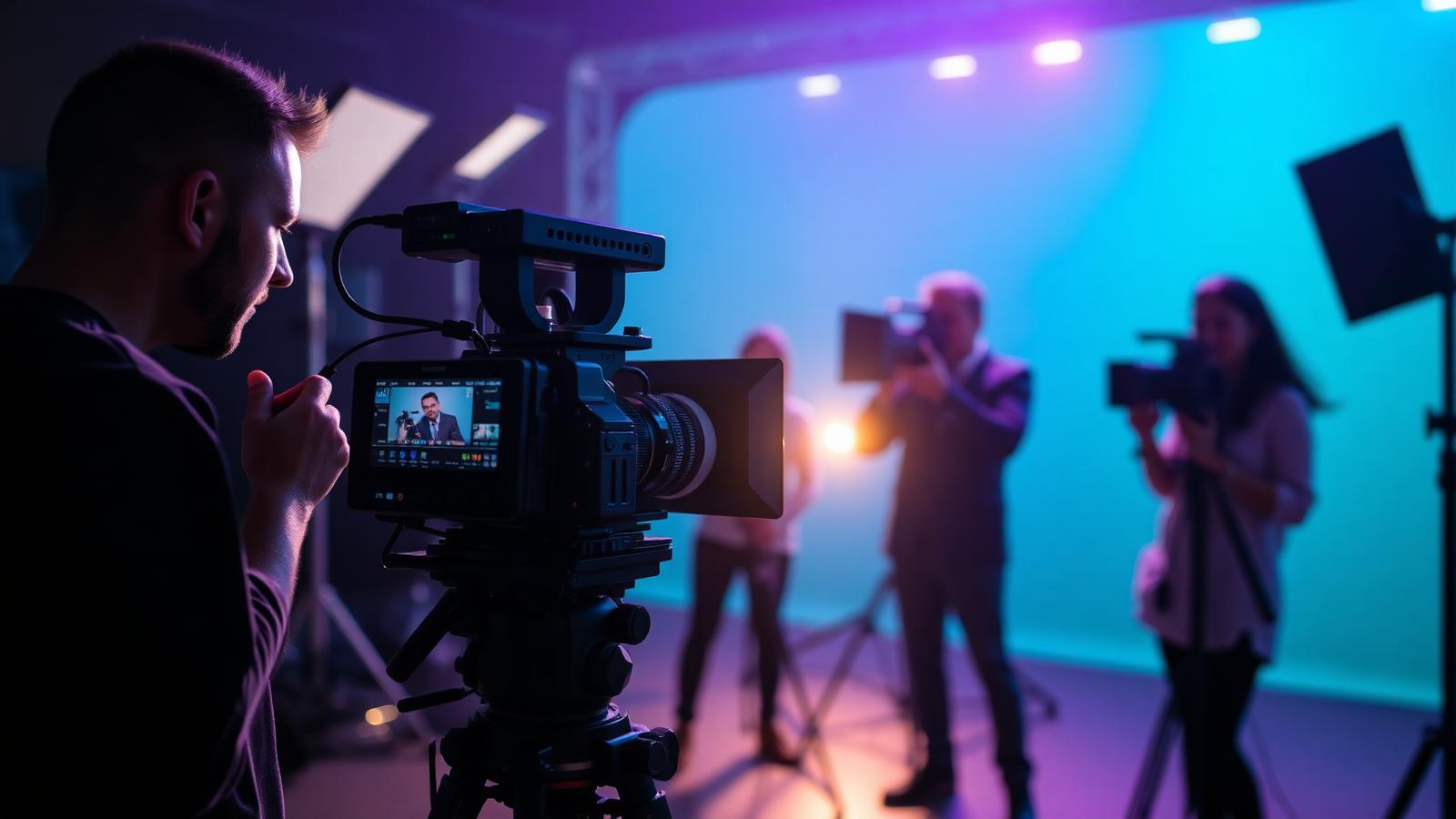
A high-quality brand film or product shoot rarely fails during the actual filming; it fails weeks earlier during the planning phase. For marketing teams in India, the challenge is often balancing ambitious creative visions with tight turnarounds and logistical hurdles like unpredictable weather or permissions. Whether you are shooting a testimonial in a corporate office in HITEC City or a product commercial in a controlled studio, a rigorous pre-production process is what separates a professional delivery from an expensive mistake.
At DPJ Hub, we approach media production as an engineering problem: it requires a clear architecture, a defined set of inputs, and a fail-safe backup plan. Moving beyond the creative mood board, marketing managers need to focus on the technical and logistical granularities that ensure the crew can hit 'record' the moment they arrive on set.
Defining the Scope and Visual Language
Before booking a single piece of equipment, the marketing team must align on the technical requirements of the output. Are you shooting for a 16:9 cinematic YouTube placement, or is the priority 9:16 vertical content for Instagram Reels? This dictates the framing, the lenses required, and even the lighting setup. A common error is attempting to 'crop' 4K landscape footage into vertical formats later, which often results in awkward compositions and lost resolution.
Once the format is set, draft a comprehensive Shot List. This is not just a list of scenes, but a breakdown of every specific angle required. If you are shooting a software product demo, your shot list should specify:
- Wide shots of the user interacting with the device.
- Macro close-ups of the screen (requiring specific lenses to avoid moiré patterns).
- Over-the-shoulder shots to show the ergonomics of the workspace.
The Site Recce: Beyond the Walkthrough
In the Indian context, a site visit (or recce) is non-negotiable. You cannot rely on photos provided by a venue manager. When your production lead visits the site, they must look for technical constraints that a standard marketing walkthrough might miss.
Check for ambient noise—is there a construction project next door or a loud air conditioning unit that cannot be switched off? Audio is 50% of video, and poor location sound is difficult to fix in post-production. Furthermore, verify the power supply. A standard 5A or 15A socket in an old office building might not support a heavy lighting grid without tripping the circuit breaker. Always identify the location of the main distribution board and ensure the building electrician is on standby during the shoot day.
Logistics and Resource Management
Coordination is the backbone of pre-production. This involves managing not just the crew, but the movement of equipment and talent. If you are shooting in a public space or a private business park in Hyderabad or Bengaluru, ensure that all gate passes for equipment vehicles are filed at least 48 hours in advance. Security personnel will often deny entry to 'professional' cameras without specific written clearance, even if you have permission to be on the premises.
- Talent Onboarding: Send a 'Call Sheet' to everyone involved. This includes the call time (when they need to arrive), the location pin, and the wardrobe requirements. For corporate shoots, remind talent to avoid thin stripes or busy patterns, which can cause flickering on camera.
- Equipment Inventory: Finalise the gear list. Do you need a gimbal for movement, or will a tripod suffice? Ensure you have at least three times the required storage (SD cards/SSDs) and double the number of batteries you think you will need.
- Catering and Comfort: A hungry crew is an inefficient crew. Map out meal breaks and ensure there is a designated 'holding area' for talent and clients to sit when they are not in the frame.
Creating the Master Production Schedule
A common mistake is over-scheduling the day. If you have eight hours of access to a location, do not plan for eight hours of filming. A realistic schedule accounts for the 'setup' and 'tear down' time. A standard interview setup with three-point lighting and two camera angles can take 45 to 60 minutes to perfect.
Use a structured timeline for the shoot day:
- 08:00 – 09:00: Load-in and basic lighting setup.
- 09:00 – 09:30: Talent hair, makeup, and mic-ing up.
- 09:30 – 11:30: Primary A-Roll (Interviews or main action).
- 11:30 – 12:30: B-Roll (Supporting visuals and cutaways).
- 12:30 – 13:30: Lunch break (Crucial for resetting the energy on set).
- 13:30 – 16:30: Product shots and specialized sequences.
- 16:30 – 17:30: Pack-up and data offloading.
The Technical Safety Net
Finally, establish a data management protocol. During the shoot, use a dedicated 'Digital Imaging Technician' (DIT) or a designated crew member to offload footage from cards to two separate hard drives simultaneously. Never format a card until the footage is verified on at least two different physical devices. This prevents the nightmare scenario of returning to the office only to find a corrupted file or a lost card.
For marketing teams, being 'tech-adjacent' isn't enough. You must understand the mechanics of the production to ensure your budget is being used effectively. Clear communication during these pre-production steps ensures that when the lights go up, the focus remains entirely on the story you are trying to tell, rather than solving logistical fires.
Working with DPJ Hub
DPJ Hub provides end-to-end media production services, combining technical expertise in cinematography and sound design with a deep understanding of growth marketing. Our teams handle the entire pre-production lifecycle, from scriptwriting and location scouting to equipment logistics and post-production editing. We ensure your brand’s visual content is produced to international standards while navigating the specific logistical needs of the Indian market.
Contact DPJ Hub today to discuss your next video production or brand campaign.
Related reading
Corporate Video Production: What Actually Drives Engagement
Ditch the corporate clichés. Learn the technical and narrative strategies that actually hold attention in India's competitive B2B and B2C video markets.
Storytelling Frameworks for Brand Films
Master three practical storytelling frameworks to transform your corporate videos into high-impact brand films that resonate with the Indian market.
Short-Form Video Strategy for Business Growth
Master short-form video for the Indian market. Learn tactical distribution, high-retention editing, and ROI-focused production for Reels and YouTube Shorts