Building a Content Library You Can Reuse All Year
Stop the daily struggle for content. Learn how to build a modular content library that fuels your social media, blogs, and ads for an entire year.
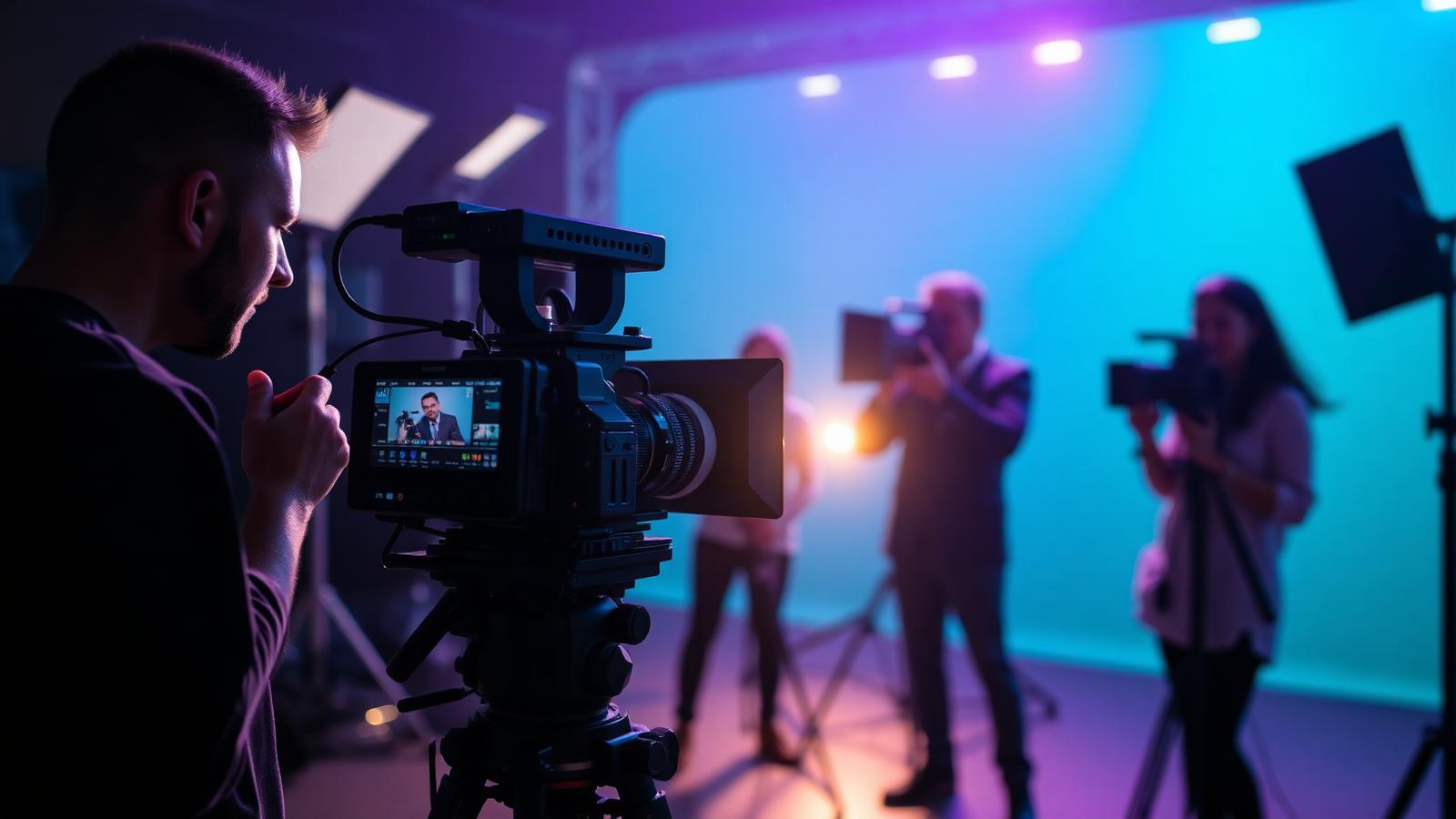
Most marketing teams in India operate on a treadmill. Every Monday morning starts with the same frantic question: "What are we posting today?" This approach leads to reactive, low-quality content that fails to build long-term brand equity. To break this cycle, you need to stop thinking about individual posts and start building a modular content library. A well-structured library allows a single two-day shoot to provide enough raw material to sustain your digital presence for six to twelve months.
Developing a reusable library is not just about hoarding files; it is about creating "Lego bricks" of content. When your media assets are shot, tagged, and stored correctly, your design team can assemble them into new formats—reels, carousels, or ad creatives—without needing to pick up a camera again. This efficiency is vital for businesses scaling in competitive sectors like fintech, real-tech, or e-commerce, where the demand for visual volume is relentless.
The Concept of Content Atomisation
Content atomisation is the process of breaking down a large piece of pillar content into smaller, independent units. Instead of planning a single 60-second brand film, you should plan a "content day" designed to capture five specific types of assets simultaneously. In the Indian context, where festivals and seasonal shifts dictate consumer behaviour, your library must include evergreen core values mixed with modular seasonal overlays.
For example, if you are a SaaS company based in Hitech City, a single interview with your CTO can be atomised into:
- Five 30-second "Expert Tips" for LinkedIn.
- Ten high-resolution portraits for PR use.
- Three "Day in the Life" snippets for recruitment marketing.
- A library of B-roll showing your actual office environment and team collaboration.
By focusing on these atoms, you ensure that every hour spent on production yields a 10x return in distribution volume.
Auditing Your Existing Assets
Before you book your next production, you must understand what you already own. Most companies have thousands of files scattered across Google Drives, WhatsApp groups, and local hard drives. The first step this week is to centralise these assets into a Single Source of Truth (SSoT).
- Consolidate all raw footage: Collect every clip from previous shoots, including the outtakes. The footage you didn't use in last year's corporate video might be perfect for a background loop on your new landing page.
- Categorise by Utility: Group assets into 'People', 'Product', 'Process', and 'Place'.
- Assess Technical Quality: Identify which assets are in 4K or high-resolution RAW formats. Low-resolution exports from social media are rarely reusable for high-stakes campaigns.
- Identify Gaps: Look at your upcoming marketing calendar. Do you have enough visual material for Diwali, the financial year-end, or monsoon-themed promotions? Mark these as priorities for your next shoot.
Five Steps to Building a Sustainable Library
Building a library requires a shift in how you brief your creative team or agency. Use this five-step framework to ensure your next production creates lasting value:
- Design a Modular Brief: Instead of asking for one final video, ask for a delivery package that includes the master edit, all clean B-roll (without graphics), and high-quality stills captured during the shoot.
- Prioritise High-Quality B-Roll: B-roll is the most undervalued asset in a content library. Invest in high-production-value shots of your office, your product in use, and your team's interactions. These can be repurposed as backgrounds for text-heavy reels or website hero sections.
- Capture "Human" Elements: In the Indian market, trust is built through faces. Capture your leadership team and staff in candid moments. Authentic imagery of your actual team outperforms generic stock photography every time.
- Standardise Naming Conventions: A library is useless if you cannot find anything. Use a strict naming convention:
YYYY-MM-DD_ProjectName_AssetType_Keyword. For example,2024-05-20_OfficeShoot_VideoBRoll_CafeteriaChat. - Invest in a Metadata Strategy: Use tags for emotions (e.g., "happy", "focussed"), colours, and specific products. This allows your social media manager to search "blue background" or "team collaboration" and find relevant clips in seconds.
The Technical Setup: Storage and Access
Professional content libraries require professional storage solutions. Relying on basic cloud storage often leads to version control issues. For a growing business, a Digital Asset Management (DAM) system or a structured NAS (Network Attached Storage) is essential.
Your library should be organised into three tiers:
- The Vault: Raw footage and project files (stored on high-capacity drives).
- The Workshop: Ongoing projects and draft exports.
- The Showroom: Final, approved assets ready for distribution, accessible to the entire marketing and sales team.
Maximising the Lifespan of Your Assets
To ensure your content remains relevant all year, avoid incorporating fleeting trends into your core assets. Keep the primary footage "clean." If you want to use a trending audio track or a specific visual filter, apply those during the final edit for social media, rather than baking them into the raw files.
- Repurpose for Different Platforms: A horizontal interview can be cropped vertically for Instagram, with the transcript turned into a Twitter thread and a LinkedIn article.
- Update with Overlays: Take a video shot in summer and add festive graphic overlays or a new voiceover to make it relevant for the December holiday season.
- Create "Best Of" Compilations: Every six months, curate your best-performing clips into a brand recap video.
By following this systematic approach, you reduce your dependency on constant production cycles. You move from a state of creative exhaustion to one of strategic abundance, where your team spends less time filming and more time distributing high-impact stories.
Working with DPJ Hub
DPJ Hub’s Media & Production team specialises in creating high-end, modular content libraries for businesses looking to scale their digital presence. From professional videography and photography in our Hyderabad studios to strategic content atomisation, we provide the raw materials and the expertise to fuel your marketing for the long term. Our integrated approach ensures that your media assets work in harmony with your growth marketing and brand design goals.
Contact DPJ Hub today to schedule a consultation for your next strategic content shoot.
Related reading
Corporate Video Production: What Actually Drives Engagement
Ditch the corporate clichés. Learn the technical and narrative strategies that actually hold attention in India's competitive B2B and B2C video markets.
Storytelling Frameworks for Brand Films
Master three practical storytelling frameworks to transform your corporate videos into high-impact brand films that resonate with the Indian market.
Planning a Shoot: Pre-Production Checklist for Marketing Teams
Master your next brand shoot with DPJ Hub’s definitive pre-production checklist. From site recce to gear logs, learn to manage high-stakes media projects.