Live Event Coverage: Technical and Creative Essentials
Master live event coverage with DPJ Hub’s guide to technical workflows, creative storytelling, and managing high-pressure multi-camera productions.
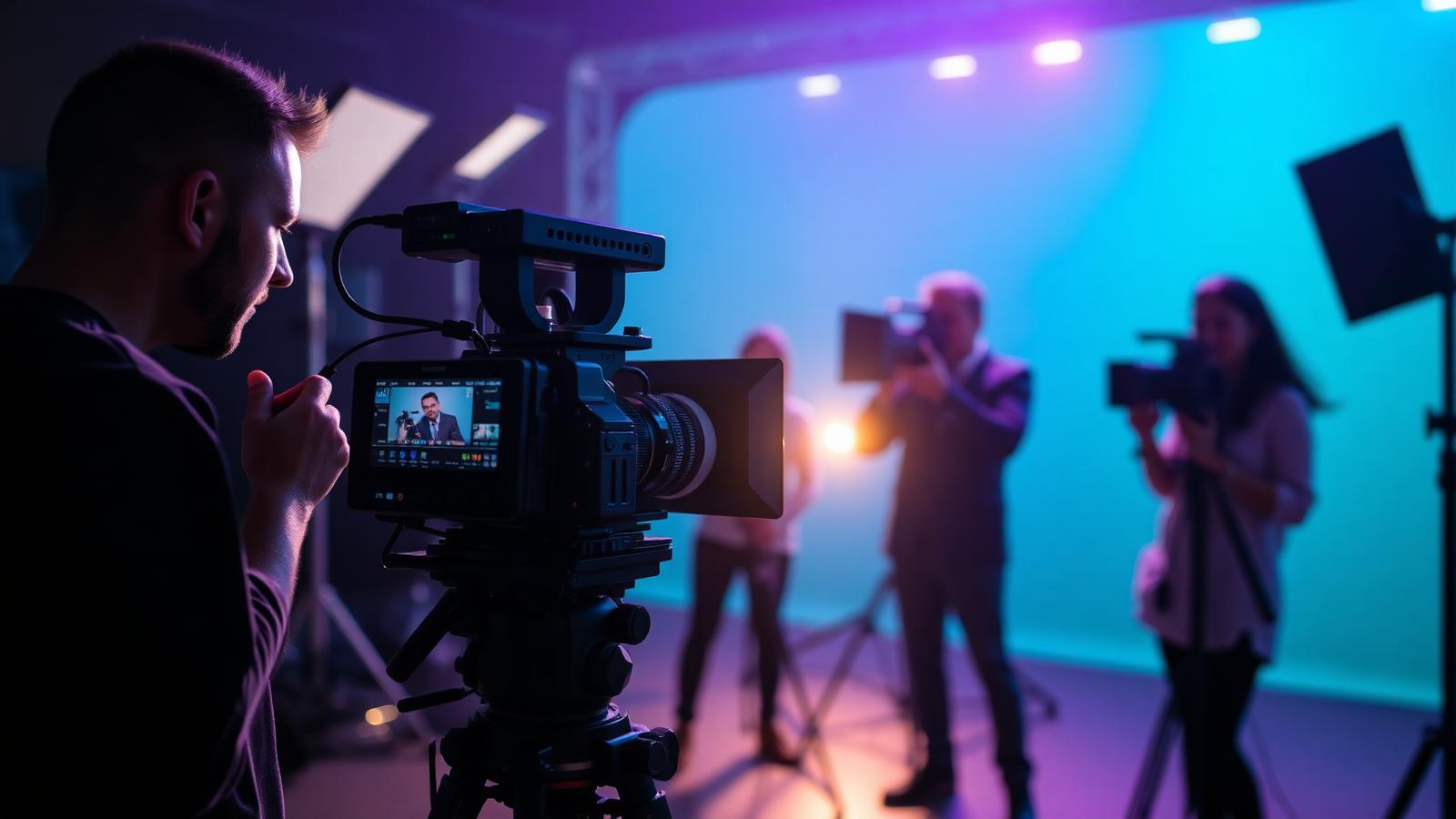
Live event coverage is a high-stakes balancing act where technical precision meets real-time creative decision-making. Whether it is a corporate summit in HITEC City or a large-scale product launch, the window for capturing the perfect moment is singular. Unlike post-produced brand films, live production offers no second takes. To deliver a broadcast-quality output that resonates with both physical and digital audiences, teams must integrate robust hardware redundancy with a sharp narrative lens.
Successful coverage is not just about having the most expensive cameras; it is about the synchronisation of data, sound, and visual storytelling. In the Indian corporate landscape, where events often scale rapidly and involve multiple stakeholders, the complexity lies in maintaining consistency across a 10-hour day while ensuring the feed remains engaging for remote viewers on platforms like LinkedIn Live or YouTube.
The Technical Backbone: Redundancy and Signal Flow
The foundation of any live production is the signal chain. If a single cable fails or a converter overheats, the entire production is at risk. A professional setup must prioritise hardware redundancy. This means using dual-stream encoders and diverse internet connections—ideally a combination of dedicated leased lines and 5G cellular bonding as a failover.
When managing multi-camera setups (Multi-Cam), the use of a hardware switcher is non-negotiable for low-latency performance. Software-based switching has improved, but for high-profile events, dedicated hardware like the Blackmagic ATEM series ensures that the system doesn't crash under the load of high-bitrate video processing.
Key technical considerations include:
- Genlock and Timecode: Ensuring all cameras are synced to prevent frame-drifts during long sessions.
- Comm Systems: Using wireless intercoms (like Hollyland or Clear-Com) so the director can cue camera operators without audible interference.
- Audio Integration: Taking a balanced XLR feed from the house PA system while maintaining independent shotgun mics for ambient crowd noise to keep the 'live' feel.
- Power Conditioning: Using online UPS systems to protect sensitive gear from the voltage fluctuations common in temporary venue setups.
Creative Direction in a Live Environment
Technical stability is the prerequisite, but creative direction is what keeps the audience from clicking away. A static wide shot of a podium for three hours is not coverage; it is surveillance. Creative live production requires a 'program mix' that mimics the energy of the room.
Directors must look for 'the reaction'. While the speaker on stage is the primary subject, the story often lives in the audience. Cutting to a thoughtful nod from a delegate or a quick close-up of a live-demo participant adds a layer of human connection.
Lighting also plays a dual role. What looks good to the naked eye in a ballroom often looks 'muddy' on camera. Working closely with the venue’s lighting team to ensure a high Color Rendering Index (CRI) on the speakers’ faces is essential for skin tone accuracy in the final broadcast.
Step-by-Step: The Pre-Production Workflow
To move from a chaotic shoot to a streamlined production, follow this specific workflow in the week leading up to your event:
- The Site Survey (Recce): Visit the venue at least five days prior. Identify the 'front of house' (FOH) position, measure cable runs, and test the actual upload speed of the provided internet line. Identify potential sources of RF interference.
- The Scripted Rundown (ROS): Create a 'Run of Show' document. This is a minute-by-minute breakdown of the event. It should include cues for when to switch to a 'holding graphic', when the 'lower-thirds' (speaker names) should appear, and when to transition to pre-recorded video inserts.
- The Comms Protocol: Establish a clear vocabulary for the crew. Define what 'Camera 1' is responsible for (usually the tight shot on the speaker) versus 'Camera 2' (the roaming ISO or wide shot).
- The Stress Test: On the day before the event, run the entire system for two hours. Check for heat build-up in encoders and ensure that the audio-video sync (lip-sync) remains perfect throughout the session.
- The Recording Backup: Always record a 'clean feed' (no graphics) and a 'dirty feed' (with graphics) locally on each camera and on the switcher. If the stream drops due to external internet issues, you still have the high-resolution master for post-event distribution.
Managing the 'Social' Layer
In the current market, live coverage is often expected to serve two masters: the live stream and the immediate social media 'highlights'. This requires a dedicated 'DIT' (Digital Imaging Technician) or a social media editor on-site. As the live feed progresses, this team member 'clips' key moments—a powerful quote or a product reveal—and formats them for Instagram Reels or Twitter within minutes of the moment happening.
This 'live-clipping' strategy drastically increases the reach of the event beyond the immediate viewers. It turns a closed-door corporate session into a trending digital conversation. To do this effectively, ensure your switcher has an auxiliary output that can be fed directly into a capture card on a dedicated editing laptop.
Future-Proofing with 4K and AI Integration
While most live streams are still delivered in 1080p for bandwidth efficiency, capturing in 4K provides significant advantages. It allows for 'digital zooming' in post-production without loss of quality, which is invaluable for creating highlight reels later.
Furthermore, AI-driven tools are now assisting in live environments, particularly for real-time transcription and closed captioning. In a multilingual market like India, providing live captions can significantly improve accessibility and engagement for a diverse audience. These tools should be integrated at the encoder level to ensure minimal lag between the spoken word and the text on screen.
Working with DPJ Hub
At DPJ Hub, our Media & Production team combines technical rigour with creative storytelling to handle complex live event requirements. From multi-camera 4K setups and cellular-bonded streaming to on-site social media clipping, we provide end-to-end coverage that ensures your event's impact lasts long after the final curtain. We bridge the gap between high-end broadcast technology and the agility required for modern corporate and commercial events.
Contact the DPJ Hub production team today to discuss your upcoming live event and technical requirements.
Related reading
Corporate Video Production: What Actually Drives Engagement
Ditch the corporate clichés. Learn the technical and narrative strategies that actually hold attention in India's competitive B2B and B2C video markets.
Storytelling Frameworks for Brand Films
Master three practical storytelling frameworks to transform your corporate videos into high-impact brand films that resonate with the Indian market.
Planning a Shoot: Pre-Production Checklist for Marketing Teams
Master your next brand shoot with DPJ Hub’s definitive pre-production checklist. From site recce to gear logs, learn to manage high-stakes media projects.