Motion Graphics: When Animation Beats Live Action
Learn when to choose motion graphics over live action to simplify complex tech concepts, cut production costs, and build a scalable brand identity.
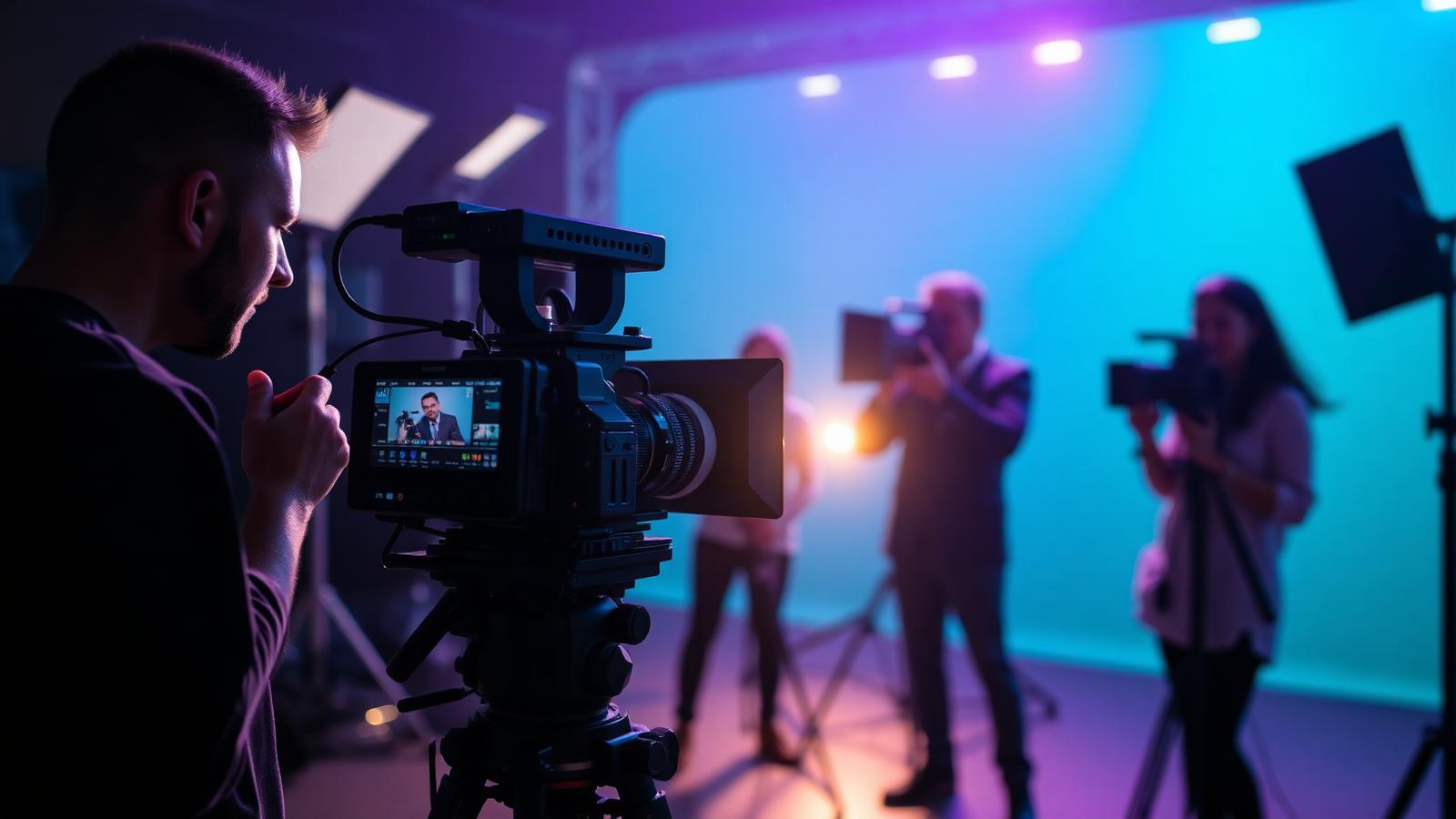
Choosing between a live-action shoot and a motion graphics project is not merely a question of budget; it is a strategic decision about how your message is consumed. While live-action offers human relatability, it often falters when explaining abstract concepts, software architecture, or non-tangible financial services. For companies in India’s growing SaaS and FinTech sectors, motion graphics frequently provide a higher return on objective (ROO) by removing the physical constraints of the real world.
At DPJ Hub, we see brands struggle with the logistics of multi-city shoots, lighting setups, and talent sourcing, only to find the final product feels dated six months later. Motion graphics bypass these hurdles, offering a level of flexibility and clarity that live video simply cannot match. This article outlines the specific scenarios where animation is the superior choice for your business communication.
Abstract Concepts and Product Visualisation
If your product is a physical item, like a new smartphone or a wearable device, live-action footage makes sense. However, if you are selling a cloud-based security protocol or a complex algorithmic trading platform, filming a person staring at a laptop screen communicates very little. This is where motion graphics excel.
You can peel back the layers of a software interface, show data moving through a network, and highlight invisible benefits through metaphors. In the Indian B2B landscape, where decision-makers often require technical depth delivered quickly, an animated explainer can condense a twenty-minute technical whitepaper into a ninety-second visual journey. You are not limited by what a camera can see; you are only limited by what your brand needs to explain.
Long-Term Scalability and Versioning
One of the most significant advantages of motion graphics is the ease of iteration. In a live-action video, if your UI changes, your brand colours are updated, or a key spokesperson leaves the company, the entire video often becomes obsolete. Reshooting is expensive and rarely achieves a perfect match with the original footage.
With motion graphics, the project exists as a collection of assets—source files, vector shapes, and keyframes. Updating a logo, changing the currency from Rupees to Dollars for a global pitch, or swapping out a mobile app screenshot takes a fraction of the time and cost compared to a new shoot. This makes motion graphics a sustainable choice for startups that are still pivoting or refining their product offerings.
Brand Consistency Across Touchpoints
Motion graphics allow for a precise application of your brand identity. Every movement, transition, and colour palette can be synced with your existing design language. This creates a cohesive brand experience that live action often disrupts with varying lighting conditions and background aesthetics.
- Custom Character Design: Instead of hiring actors who may not perfectly represent your demographic, you can design characters that embody your brand persona.
- Kinetic Typography: You can reinforce key statistics and jargon by animating the text itself, ensuring that even if the viewer has their sound off (common on LinkedIn and Instagram), the message is still delivered.
- Iconography: Using animated versions of your website’s icons creates a mental bridge between your marketing content and your actual product.
Cost-Efficiency in the Indian Market
In India, the logistics of live production—securing permits for locations in cities like Mumbai or Bangalore, managing equipment rentals, and handling post-production colour grading—can inflate budgets rapidly. Motion graphics, while requiring skilled labour, eliminate the need for physical infrastructure.
Specifically, motion graphics remove the "weather risk" and the "travel risk." A project timeline remains predictable because the variables are controlled within a digital environment. For a marketing manager working on a tight quarterly deadline, this predictability is often more valuable than the aesthetic of a live shoot.
How to Determine Your Direction: A 5-Step Checklist
If you are currently planning your next campaign, follow these steps this week to decide if you should pivot to motion graphics:
- Identify the Hero: If the "hero" of your video is a person’s emotion or a physical location, stay with live action. If the hero is a process, a piece of software, or a data point, move to motion graphics.
- Audit the Lifetime Value: Ask yourself if the product UI or branding will change in the next 12 months. If yes, animation will save you a reshoot cost.
- Check the Distribution Channel: For platforms like LinkedIn, where 80% of videos are watched on mute, motion graphics with heavy text integration perform significantly better than a talking head with subtitles.
- Evaluate the Environment: If you need to show an office, a factory, or a city, does a high-quality 3D render serve the brand better than a grainy phone recording or a generic stock video? Often, a stylized animation feels more "premium" than low-budget live action.
- Define the Tone: Motion graphics can range from playful 2D illustrations to high-end, sleek 3D realism. Match the animation style to your industry’s maturity level.
Practical Steps for Success This Week
To begin transitioning your content strategy toward motion graphics, start with these actionable tasks:
- Consolidate your brand assets: Gather your high-resolution logos, brand fonts (TTF/OTF files), and hex codes. A motion designer cannot start without a solidified brand kit.
- Script for the eye, not just the ear: Write a script where the visual description is as detailed as the voiceover. If the voiceover says "Our security is robust," the visual should show a specific mechanism of that security, not just a lock icon.
- Select a reference style: Browse platforms like Behance or Vimeo to find animation styles you like. Showing a designer a "mood board" saves hours of back-and-forth revision.
Working with DPJ Hub
DPJ Hub’s media and production team integrates directly with our software engineering and design departments to ensure your motion graphics are technically accurate and brand-aligned. We specialise in creating high-impact explainers, UI walkthroughs, and social media content that drive conversion and clarify complex value propositions for a global audience. Our approach combines creative storytelling with a deep understanding of the technology sector to deliver videos that are both beautiful and functional.
Contact DPJ Hub today to discuss how motion graphics can elevate your next brand campaign.
Related reading
Corporate Video Production: What Actually Drives Engagement
Ditch the corporate clichés. Learn the technical and narrative strategies that actually hold attention in India's competitive B2B and B2C video markets.
Storytelling Frameworks for Brand Films
Master three practical storytelling frameworks to transform your corporate videos into high-impact brand films that resonate with the Indian market.
Planning a Shoot: Pre-Production Checklist for Marketing Teams
Master your next brand shoot with DPJ Hub’s definitive pre-production checklist. From site recce to gear logs, learn to manage high-stakes media projects.