Post-Production Workflows That Keep Deadlines Safe
Master post-production efficiency with DPJ Hub’s guide to structured NLE setups, proxy workflows, and collaborative review cycles that hit every deadline.
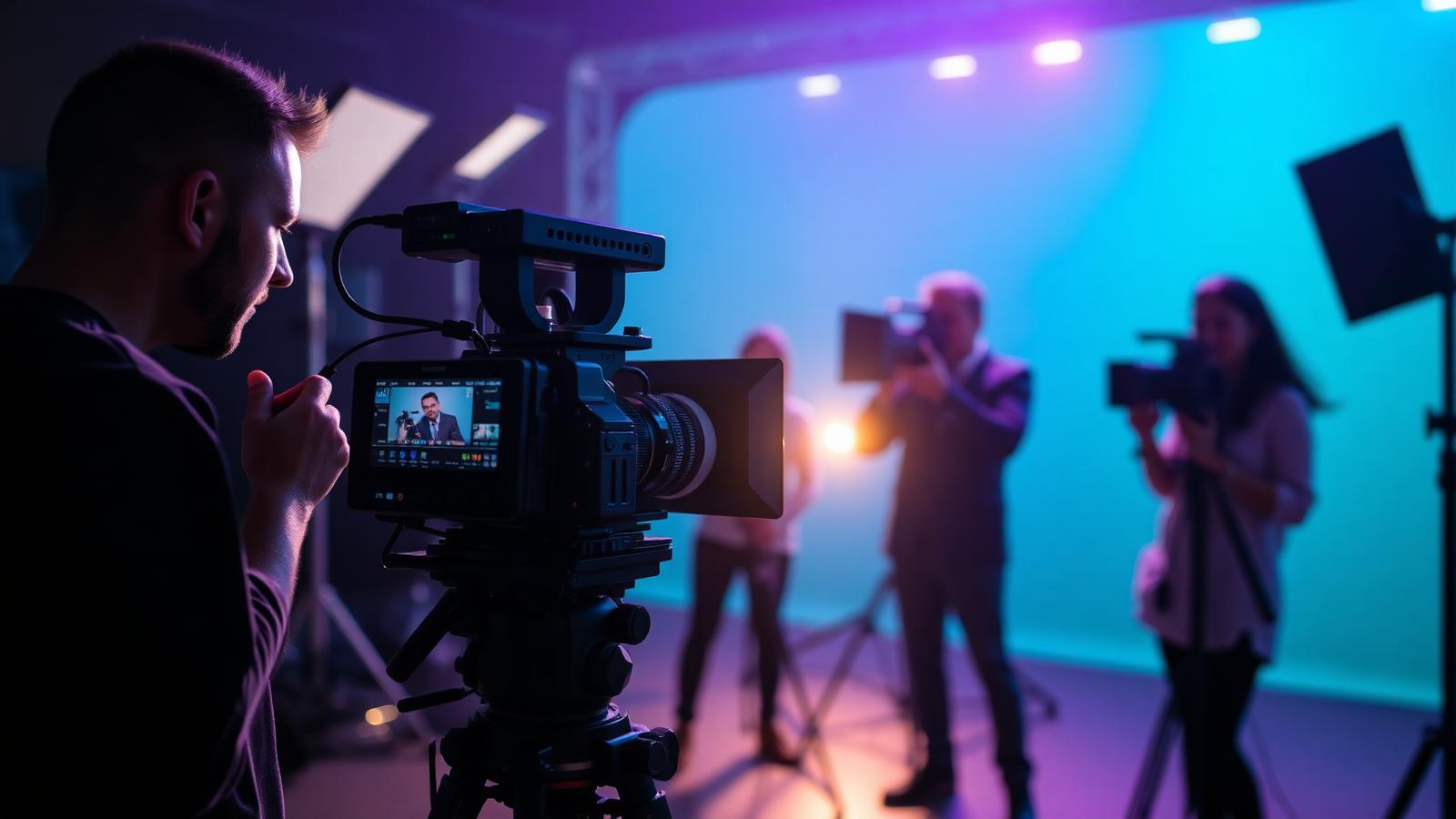
In the high-pressure environment of Indian media production, the gap between a successful delivery and a missed deadline often comes down to the first ten minutes of a project’s lifecycle. Whether you are cutting a regional OTT series in Hyderabad or producing high-velocity social content for a D2C brand in Bengaluru, the post-production phase is where time is most easily lost to technical friction. When files are scattered, versioning is vague, and render times are unoptimised, creative teams spend more time troubleshooting than storytelling.
Efficient workflows are not about working faster; they are about eliminating the non-creative tasks that drain a lead editor’s energy. By implementing a rigorous structural framework from the moment the data arrives from the set, production houses can ensure that deadlines remain predictable regardless of the project's scale.
Standardising the File Architecture
The most common cause of delayed exports is broken links and missing assets. A professional post-production environment must operate on a unified folder structure that remains identical across every workstation. This allows editors to move projects between local drives and Shared Storage (NAS/SAN) without the software asking to relink media.
A robust directory should be organised by category rather than date alone. A standard DPJ-recommended structure includes:
- 01_Footage: Subdivided by Camera (A-Cam, B-Cam) and Date/Card number.
- 02_Audio: Separate folders for sync sound, foley, and licensed music.
- 03_Graphics: For MOGRTs, lower thirds, and brand assets.
- 04_Projects: Auto-save files and project archives only.
- 05_Proxies: Low-resolution editing files to maintain playback speed.
- 06_Exports: Clearly marked 'WIP' (Work in Progress) and 'Master' folders.
By enforcing this hierarchy, you eliminate the ‘search time’ that plagues teams during the final hours of a delivery. If an editor falls ill or a freelancer joins the project mid-way, they can navigate the project immediately without a walkthrough.
The Power of a Proxy-First Workflow
With the rise of 4K and 6K acquisition in India, even high-end workstations can struggle with real-time playback of raw codecs like R3D or ProRes 4444. Attempting to edit directly from high-bitrate source files leads to software crashes and sluggish scrubbing, which directly eats into the schedule.
Adopting a proxy-first workflow is the most effective way to keep deadlines safe. This involves creating low-resolution (typically 1080p ProRes Proxy or DNxHR LB) mirrors of the source footage. The editor works with these lightweight files, ensuring a smooth, lag-free creative process. Only during the final colour grade and export does the software ‘toggle’ back to the original high-resolution files. This ensures that the technical limitations of hardware do not dictate the pace of the creative edit.
Managing the Review and Feedback Loop
The most volatile part of the post-production timeline is the client review process. Vague feedback such as "make it more punchy" or "change the music around the middle" leads to multiple unnecessary versions. To combat this, Indian production houses must shift away from sending MP4 files via WhatsApp or Google Drive links, which lack time-stamped context.
Utilising frame-accurate review tools allows clients to click on a specific frame and leave a comment. This comment then appears as a marker on the editor's timeline. This eliminates the back-and-forth of emails and ensures that every change requested is actionable and precisely located.
A Five-Step Protocol for Friday Deliveries
To avoid the dreaded 'overnight render' that fails at 3 AM, teams should follow a specific protocol at least 24 hours before the final deadline. This shift from reactive to proactive management ensures that technical glitches are caught while the team is still fresh.
- Consolidate Assets: Run a project manager tool to collect all used media into one location, ensuring no external drives are required for the final render.
- Audio Normalisation: Perform a preliminary 'loudness' check to meet the target LUFS (Loudness Units relative to Full Scale) required by the platform, whether it’s YouTube (-14 LUFS) or a broadcast channel.
- Render Cache Management: Clear old cache files and pre-render complex heavy-effects segments (like Neat Video noise reduction or heavy Warp Stabilizers) to speed up the final export.
- Verification Export: Export a low-bitrate version of the full film to check for 'media offline' frames or unintentional gaps in the timeline.
- Multi-Platform Queueing: Use a dedicated media encoder to queue exports for different platforms simultaneously rather than exporting them one by one from the NLE.
Integrating AI into the Assembly Line
Artificial Intelligence is no longer a futuristic concept in Indian post-production; it is a practical tool for meeting tight turnarounds. Specifically, AI-driven transcription and ‘text-based editing’ have revolutionised the assembly phase for documentaries and corporate interviews. Instead of scrubbing through hours of footage to find a specific quote, editors can now search the transcript and move the text to the timeline, automatically bringing the corresponding video with it.
Furthermore, AI audio clean-up tools are now capable of removing heavy traffic noise—a common issue when filming in bustling metros like Mumbai or Hyderabad—without the need for expensive ADR (Automated Dialogue Replacement) sessions. Leveraging these tools early in the process prevents audio issues from becoming a bottleneck during the final mix.
Scaling Through Documentation
Finally, the secret to consistent delivery is the Post-Production Bible. This is a living document that outlines the project’s technical specifications: the frame rate, the colour space (e.g., Rec.709), the naming convention for exports (e.g., Client_Project_Version_Date), and the archival procedure. When everyone follows the same manual, the margin for human error shrinks, and the predictability of the output increases.
Working with DPJ Hub
At DPJ Hub, our media production wing combines creative storytelling with a disciplined, engineering-led approach to post-production. We assist businesses in building scalable content engines, ensuring that every asset from high-end commercials to corporate films is delivered with technical precision and creative flair. Our integrated team handles everything from initial data management to final delivery, allowing your brand to focus on growth while we manage the complexity of the edit.
Contact DPJ Hub today to streamline your next production and ensure your content hits the market on time.
Related reading
Corporate Video Production: What Actually Drives Engagement
Ditch the corporate clichés. Learn the technical and narrative strategies that actually hold attention in India's competitive B2B and B2C video markets.
Storytelling Frameworks for Brand Films
Master three practical storytelling frameworks to transform your corporate videos into high-impact brand films that resonate with the Indian market.
Planning a Shoot: Pre-Production Checklist for Marketing Teams
Master your next brand shoot with DPJ Hub’s definitive pre-production checklist. From site recce to gear logs, learn to manage high-stakes media projects.